Table of Contents
Introduction
In the world of visual design, what you exclude is often just as important as what you include. While high-key, brightly lit office stock photos filled with smiling models have their place, modern web designers and content creators are increasingly turning to a different aesthetic: empty low lighting interior photos. These images evoke a sense of quiet luxury, reflection, and sophistication that standard stock imagery simply cannot replicate.
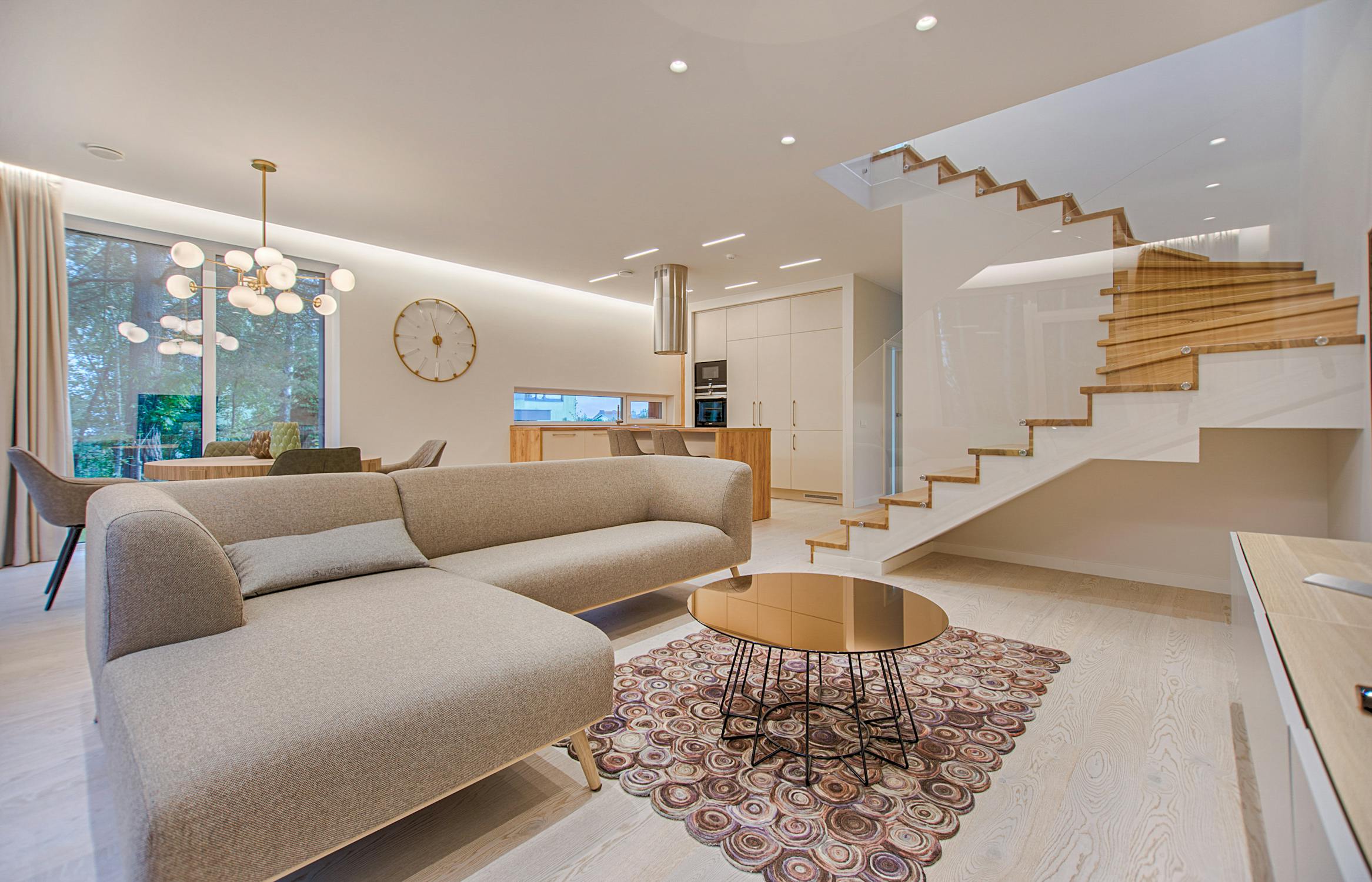
This guide explores the design theory behind empty low lighting interior scenes, focusing on how a simple couch stock image with empty low lighting can establish a powerful mood, capture user attention, and elevate your website layout from average to premium. We'll also provide tips on how to integrate these assets seamlessly into your next project.

The Psychology of Empty Spaces
When a photograph features an empty couch, armchair, or desk, it creates a psychological "open canvas." Without a model occupying the seat, the viewer's brain automatically places themselves in the scene. This creates a deeply personal and immersive user experience.
In website headers and background visuals, empty spaces:
- Reduce Cognitive Load: Clean, uncluttered scenes allow visitors to focus on your headline and CTA buttons.
- Evoke Tranquility: An empty room represents quietness, a rare commodity in our hyper-connected digital lives.
- Create Anticipation: Like an empty stage before a play, a vacant chair suggests that something is about to happen, encouraging user engagement.
For more detailed strategies on using minimalist compositions, see our companion article on Finding the Perfect Couch Stock Images with Empty Low Lighting, which details how furniture shape dictates spatial aesthetics.
Why Low Lighting Enhances Mood
Lighting is the language of emotion in photography. High-key light says "clarity, energy, efficiency," whereas empty low lighting says "warmth, intimacy, depth, mystery." By utilizing shadow and low light, a photographer transforms a simple room into a story.
Low-light stock photos typically employ warm color temperatures (2700K to 3000K) or deep blue hour hues. This contrast between light and dark (known in classical art as *chiaroscuro*) draws the eyes naturally to the light sources, such as a cozy table lamp, fireplace, or light streaming through a window. The resulting long shadows add geometric lines and depth, making the visual experience much richer and more premium.
Best Practices for Designers
While moody low-light images are visually stunning, integrating them into a web design requires careful planning to maintain usability and accessibility:
1. Ensure Text Readability
Moody images contain many dark regions, which are perfect for overlaying white or gold text. However, make sure the text contrast meets WCAG accessibility guidelines. If needed, apply a subtle CSS background linear-gradient overlay to the container to darken lighter spots in the image before rendering text on top.
2. Frame Matching
When displaying portfolio items or interior designs, consider placing your low-light stock photos inside elegant digital mockups. For tips on how to arrange these, check out our guide on 10 Creative Ways to Use Picture in Frame Stock Photos to elevate your visual hierarchy.
3. Optimize Load Performance
Low-light images are highly sensitive to compression artifacts (banding) in dark gradients. To prevent this while keeping page speeds high, use modern formats like WebP or AVIF with a quality setting of at least 85%.

Where to Find the Best Visual Assets
Finding high-quality, free low-light images can be challenging because capturing clean details in shadows requires professional camera gear. Fortunately, platforms like TemplaVault aggregate the best free files from across the web.
When searching for these assets on our search engine, try using terms like:
- "empty couch low lighting"
- "moody living room aesthetic"
- "sunlight shadow empty space"
- "dark cozy library"
These search terms hook into the libraries of Unsplash and other premium providers to fetch noise-free, professionally graded low-light files ready for your layouts.
Conclusion
Empty low-lighting stock photos offer a powerful alternative to generic, overly bright stock pictures. By embracing empty spaces, shadows, and warm tones, you can craft a digital experience that feels premium, intimate, and memorable.
Ready to update your headers and backgrounds? Head over to our homepage search and explore our catalog. For more creative ideas, browse our other articles like Finding the Perfect Couch Stock Images and discover how to design websites that truly resonate with your audience.